 Conditions

For many people, alcohol isn’t just about socializing or relaxing—it becomes a way to not feel.
- Not feel sadness.
- Not feel anxiety.
- Not feel guilt, stress, irritability, or hopelessness.
If this resonates with you, you’re not alone—and you’re not broken. What’s often happening has less to do with willpower and more to do with how humans naturally respond to overwhelming emotions.
At Brightside Health, we frequently see how depression, anxiety, and alcohol use become intertwined—not because someone is trying to make things harder for themselves, but because they’re doing their best to cope with overwhelming feelings.
Why Depression and Anxiety Can Make Alcohol Feel So Appealing
Depression and anxiety often come with powerful emotional experiences, such as:
-
Persistent sadness or emptiness
-
Guilt or shame
-
Hopelessness
-
Irritability or emotional reactivity
-
Chronic stress or worry
-
Restlessness or feeling “on edge”
These emotions can feel heavy, uncomfortable, and sometimes intolerable—especially if you haven’t had support or tools for managing them.
Alcohol can temporarily:
-
Numb emotional pain
-
Quiet anxious thoughts
-
Reduce self-criticism
-
Create a short-lived sense of relief or escape
In the moment, it can feel like it’s helping—because it offers short-term relief. But it doesn’t address the underlying emotions, making it an ineffective way to cope with overwhelming feelings over time.
Understanding Emotional Avoidance
Many mental health struggles—like depression, anxiety, and substance misuse—are fueled by avoidance of uncomfortable emotions.
When emotions feel overwhelming, humans naturally try to escape them. Some common avoidant coping strategies include:
-
Drinking alcohol to numb or distract
-
Binge drinking to “shut off” feelings
-
Staying constantly busy
-
Withdrawing emotionally or socially
-
Trying to control or suppress emotions
Alcohol becomes one of the fastest and most accessible ways to avoid emotional discomfort.
But over time, avoiding emotions tends to increase their intensity, not reduce it.
Want to speak 1:1 with an expert about your anxiety & depression?

How Alcohol Can Keep the Cycle Going
While alcohol may lower emotional distress in the short term, it often:
-
Worsens depression and anxiety over time
-
Disrupts sleep and emotional regulation
-
Increases shame or guilt after drinking
-
Reduces confidence in your ability to cope
-
Makes emotions feel more overwhelming later
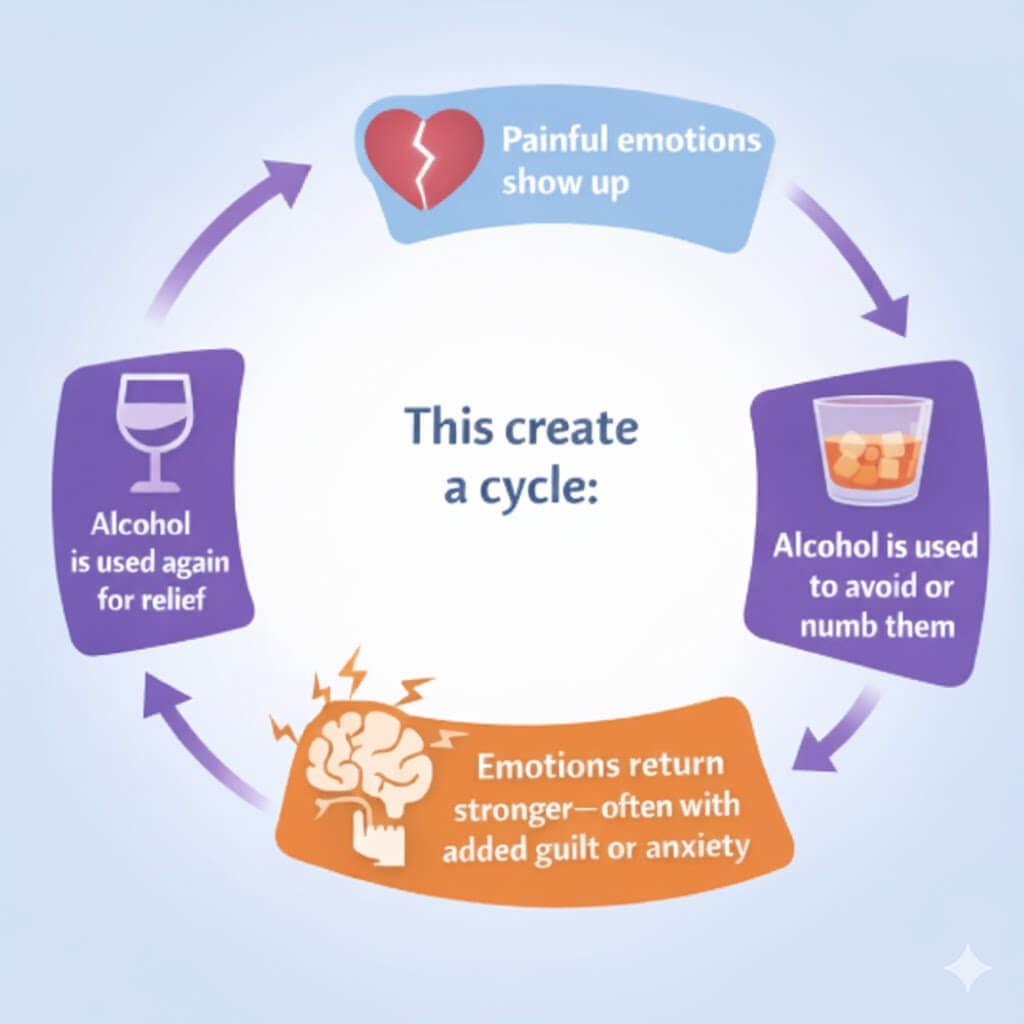
This cycle is not a personal failure. It’s a learned response—and learned responses can change.
Feel your feelings safely
One of the most important shifts in healing is realizing that emotions—even painful ones—are temporary, manageable, and meaningful.
Instead of asking, “How do I stop feeling this?” ask yourself, “How can I experience this feeling without needing to escape it?”
This doesn’t mean diving into emotional pain all at once. It means building emotional tolerance gradually, with support.
Small Steps Towards Feeling (Instead of Avoiding)
Here are a few simple, approachable strategies to help you begin:
🌱 Name the Emotion
Try quietly labeling what’s present:
- “I’m noticing sadness.”
- “I’m noticing anxiety in my body.”
Naming emotions helps reduce their intensity and builds awareness.
🌬 One-Minute Grounding Breath
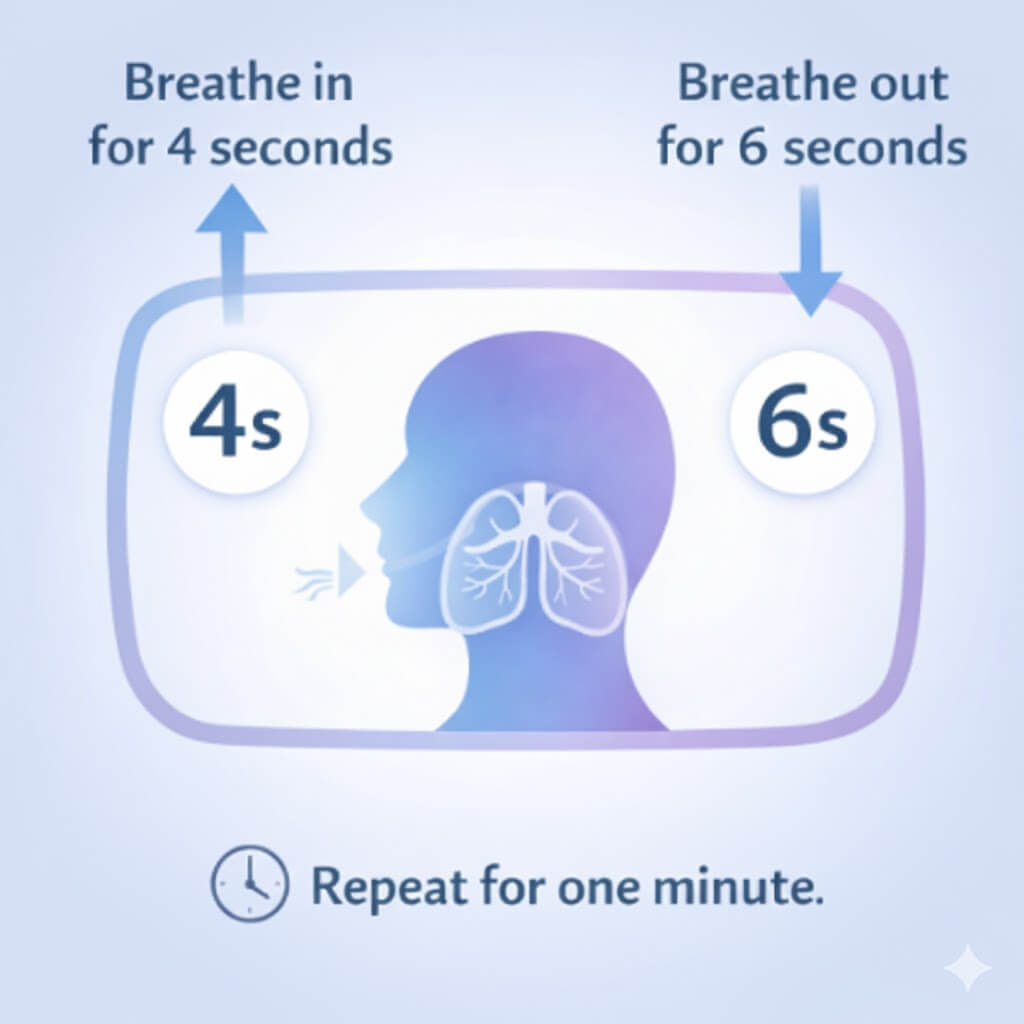
Longer exhales help calm the nervous system.
🧠 Allow the Feeling—Briefly
Instead of pushing it away, try allowing the feeling for 30–60 seconds, reminding yourself:
- “This is uncomfortable, but it will pass.”
📝 Ask a Curious Question
Before reaching for a drink, try asking:
- “What am I trying not to feel right now?”
Awareness alone can interrupt automatic patterns.
If Alcohol Has Become Your Main Coping Tool
If you notice patterns like:
-
Drinking to manage emotions
-
Binge drinking during stressful or emotional times
-
Feeling unable to tolerate feelings without alcohol
-
Drinking more than you intend
These are signs that your emotional system is overwhelmed—not that you lack control or motivation. You deserve tools that help you cope, not just get through the moment.
You Don’t Have to Navigate This Alone
At Brightside Health, we help people understand why alcohol use becomes a coping strategy—not just how to stop it. Our licensed clinicians use evidence-based approaches, including Unified Protocol–informed care, to help you:
-
Build tolerance for difficult emotions
-
Reduce reliance on alcohol for emotional relief
-
Treat depression and anxiety
-
Develop healthier, more sustainable coping strategies
Care is personalized, compassionate, and accessible from home.
If alcohol has become a way to manage overwhelming emotions, support can help you feel again—safely and at your pace.
Learn more or get started with Brightside Health today.


